Gastroenterology Surgery Hospital in Nagercoil
Advanced procedures for conditions affecting the stomach, intestines, liver, pancreas, and gallbladder are offered at Siva Hospital, a specialized gastro surgery hospital in Nagercoil. With advanced operating rooms and postoperative monitoring, our surgical gastroenterology unit performs emergency, elective, laparoscopic (keyhole), endoscopic, and bariatric procedures.
Patients go through a thorough clinical evaluation, blood testing, ultrasound, and endoscopic examination before surgery is recommended. Drugs, dietary changes, and lifestyle counseling are first used to treat early-stage disorders like as acidity, gastritis, minor ulcers, and gut infections. Only when symptoms worsen, problems arise, or medicinal treatment is ineffective is surgery recommended.
What we provide
Before deciding on surgery, initial medical stabilization and symptom management
- Endoscopic (camera) operations
- Laparoscopic (small-cut) procedures
- Obesity bariatric surgery
- Intestinal and gallbladder procedures
Medical Care & Supportive Treatment
- Management of initial acidity, gastritis, and ulcers
- Treatment for pre-operative stabilization
- Recovery from surgery and nutrition
- Endoscopic assessment prior to surgery
Our team consists of a qualified gastrosurgeon in Nagercoil. For an accurate diagnosis and course of treatment, patients are looking for a Stomach surgery Hospital or a Gastro surgery Specialist in a nearby location.
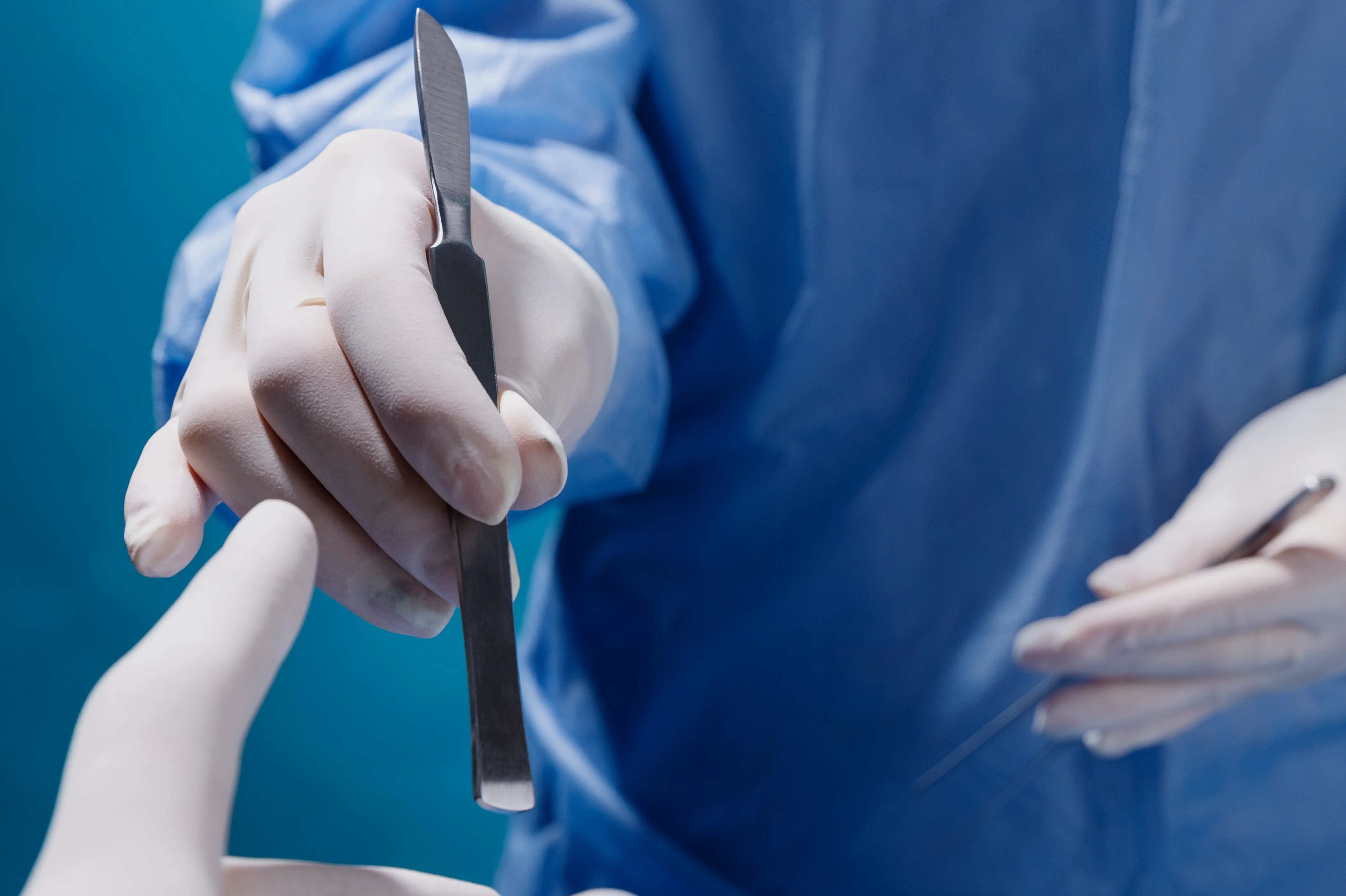
What is Surgical Gastroenterology?
Surgical Gastroenterology = surgery for digestive organs.
It treats diseases of:
- Food pipe (esophagus)
- Stomach
- Small and large intestine
- Liver
- Pancreas
- Gallbladder
Before choosing medication or surgery, patients receive a gastro consultation for a better understanding.
Get in touch with us!
Conditions We Treat
The following disorders are first assessed medically,
Initial Medical Management
- Acidity and GERD medication therapy
- Gastritis and ulcer treatment
- Liver inflammation medical care
- Pancreatitis supportive treatment
- Infection control and IV fluids
- Diet and digestive enzyme guidance
but when symptoms worsen or problems arise, many patients eventually need surgeries such as:
- Acid reflux disease (GERD): acid rising from stomach
- Gastritis, or inflammation of the stomach
- Stomach wound, or peptic ulcer
- Irritable bowel syndrome
- Internal bleeding, or intestinal bleeding
- Hepatitis and cirrhosis are liver illnesses.
- Pancreatitis, or swelling of the pancreas
- Gallstones: a gallbladder stone
- Gallstone illness, or cholelithiasis
- Haemorrhoids, or swellings
- Poor digestion, or chronic indigestion
- Bloating, or fullness of gas
- Long-term stomach discomfort is assessed by our abdominal pain expert.
Endoscopy(Camera-Based Treatment)
Endoscopy helps diagnose and also treat many digestive disorders without open surgery.
- Detection of acidity complications
- Diagnosis of gastritis and ulcers
- Identification of bleeding sources
- Detection of polyps
- Evaluation of chronic constipation or diarrhea
- Colorectal cancer screening
- Endoscopic biopsy
- Removal of polyps
- Treatment of bleeding ulcers
- Stricture (narrowing) treatment
- Removal of bile duct stones
- Treatment of obstructive jaundice
- Pancreatic duct problems
Upper GI Endoscopy
Colonoscopy
Therapeutic Endoscopy
ERCP (Bile Duct Endoscopy)
When Is Surgery Necessary for a Digestive Issue?
The symptoms of many digestive disorders are initially modest and are managed with medication. However, surgery is required in the following situations:
- Recurring discomfort from gallstones
- ulcers that don't heal
- Blockage of the intestinal tract
- bleeding in the intestines or stomach
- infection of the appendix
- swelling of a hernia
- Jaundice is induced by the blockage of the bile duct
- Medical therapy failure
Life-threatening consequences, including organ damage, infection, and wound rupture, are avoided with early surgical repair.
Surgical Procedures
When symptoms worsen or complications develop, surgery may be required.
- Laparoscopic (keyhole) procedures
- Gallbladder (gallstone) surgery
- Intestinal procedures
- Bariatric (obesity) surgery
- Surgery for severe GERD (Stomach acid flows back)
- Haemorrhoid procedures
- Hernia repair
- Appendix surgery
Laparoscopic Gastro Surgery
Laparoscopic surgery, often known as keyhole surgery, involves making tiny incisions with a camera.
Carried out for:
- surgery on the appendix
- Removal of the gallbladder
- Blockage of the intestinal tract
- Repairing a hernia
Advantages
- Small scars
- Less pain
- Faster healing
- Short hospital stay
Patients searching Best gastro surgeon in Nagercoil, Kanyakumari often prefer laparoscopic treatment due to quick recovery.
Gallbladder & Gallstone Surgery
Gallstone Treatment
- Pain relief
- Infection control
- Stone blockage treatment
Gallbladder Removal (Cholecystectomy)
- Laparoscopic method
- Fast recovery
- Permanent relief
Laser Treatment for Gallstones
Without doing major surgeries gallstone can be removed using laser treatments applied based on the patient's health concerns.
- Selected patients
- Non-open method
- Quick recovery
Bariatric (Weight Loss) Surgery
For obesity and related diseases (diabetes, BP).
Gastric Bypass Surgery(stomach rerouting)
- Reduces food absorption
- Major weight reduction
Gastric Sleeve Surgery
- (stomach size reduction)
- Removes part of stomach
- Controls appetite
Benefits:
- Diabetes control
- BP control
- Long-term weight loss
When to Consult Immediately
In their early stages, several intestinal issues can be managed without surgery:
- Control of nutrition
- Drug treatment
- Treatment for acid suppression
- Observation and subsequent action
- Changes in lifestyle
Delays in therapy, however, can lead to issues that need to be corrected surgically.
Consult the specialist immediately when you have these complications, they are:
- Continuous acidity
- Severe abdominal pain
- Vomiting blood
- Black stools
- Difficulty swallowing
- Sudden weight loss
- Jaundice (yellow eyes)
- Persistent indigestion
Early visiting a Gastro Hospital prevents major complications.
Why Choose Siva Hospital
- Experienced gastro surgeopn in Nagercoil
- Advanced endoscopy & colonoscopy units
- Modern operation theatre
- Safe anesthesia care
- Individual treatment plans
- Insurance guidance
- Easy access in Nagercoil and around the areas of Kanyakumari
Serious disease can be avoided with early diagnosis and appropriate surgical treatment.
